
How Can Hem Brewing Improve Your Production Yield?
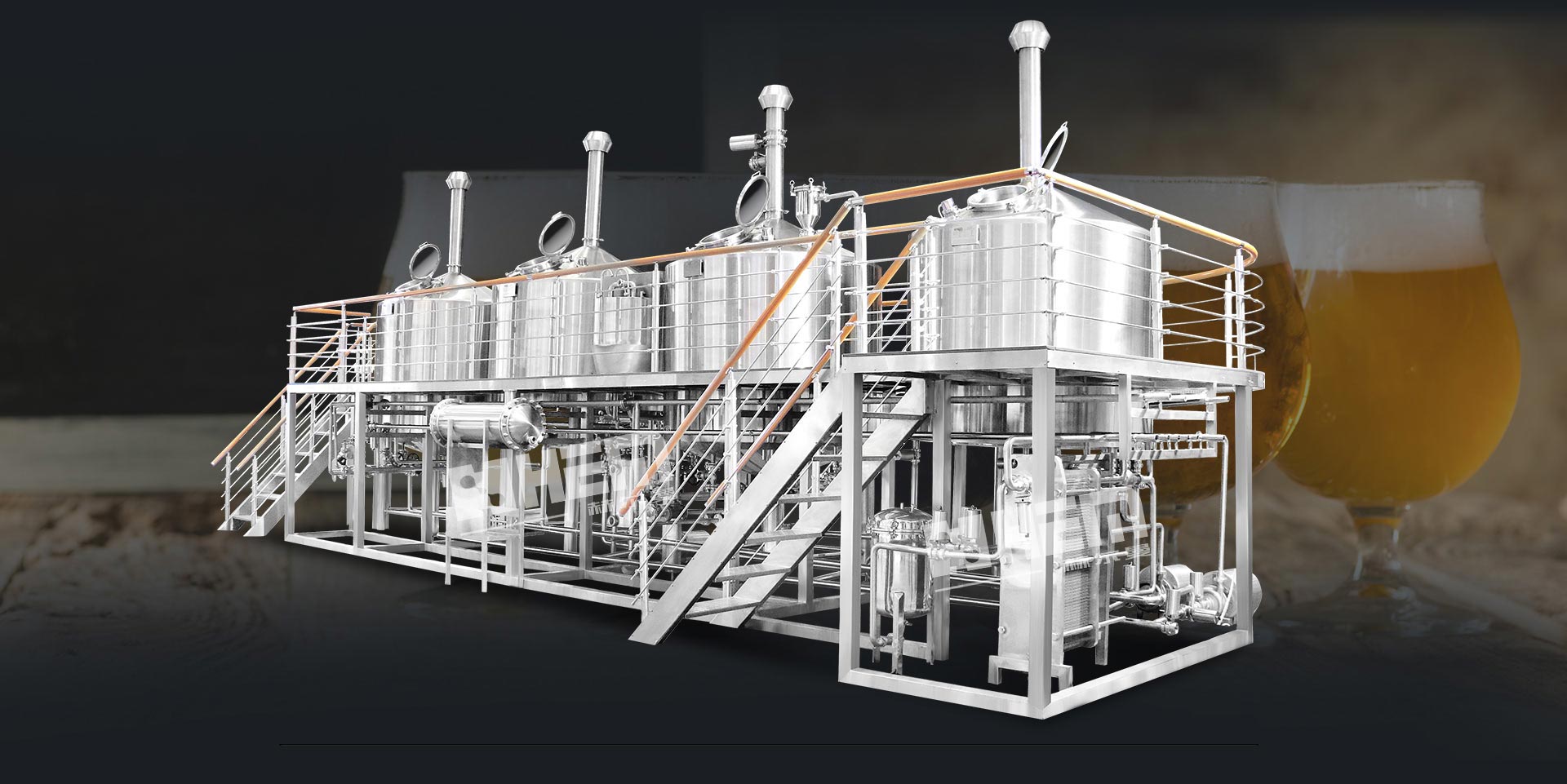
Optimizing brewery production requires meticulous control over mash parameters, as a deviation of even 0.005 inches in mill gap settings can reduce extract efficiency by 4%. Modern brewing systems rely on high-precision particle size distribution, where 70% of ground malt fragments should ideally measure 1.2 millimeters to balance filtration speed and sugar extraction. By applying these specific mechanical benchmarks, hem brewing achieves a 3% increase in conversion rates, demonstrating how physical equipment configuration directly dictates total yield outcomes.
Precision in grist milling sets the foundation for biochemical conversion, as excessive fine flour creates dense mash beds that impede liquid flow, while overly coarse grist leaves starch molecules trapped. Industrial monitoring from 2024 confirms that maintaining roller gaps between 0.040 and 0.045 inches keeps extract yield consistently above 82%. Data shows that a 0.002-inch shift in roller alignment across different production cycles induces a 1.5% fluctuation in extract performance, requiring frequent recalibration to maintain output stability.
High-quality mash beds function as biological reactors; by regulating hydration pressure to exactly 0.5 bar, brewers preserve husk structural integrity, which facilitates a 2% improvement in sugar wash-out efficiency during the runoff phase.
Adjusting mash pH serves as a physiological trigger for enzymatic activity, with laboratory results indicating that α-amylase performance peaks at a pH of 5.2 to 5.3, operating 12% more effectively than at a pH of 5.6. A 2023 comparative study involving 50 commercial batches revealed that facilities using phosphoric or lactic acid to stabilize mash pH achieved a 3% increase in fermentable sugar recovery. This precise ion management ensures that enzymes transform starch into soluble sugars at maximum possible rates throughout the hour-long conversion window.
| Process Stage | Target Setting | Yield Impact |
| Mill Gap | 0.042 inches | 4.5% |
| Mash pH | 5.25 | 3.2% |
| Sparge Temp | 77°C | 2.1% |
Sparging temperature management directly influences residual sugar levels in spent grain, as experiments confirm that water temperatures below 72°C leave 5% more soluble carbohydrates trapped in the grain bed. Maintaining sparge water in a 77°C to 78°C range drives the residual sugar content down from 12% to below 7% by decreasing wort viscosity. Real-time thermal monitoring systems are standard in high-output breweries, effectively preventing the 1.5°C temperature drops that frequently occur during high-volume rinsing cycles.
To minimize volume losses in piping systems, many operators installed pigging technology after 2022, which successfully recovers 85% of wort otherwise lost as stagnant line volume. Simulations on 30-barrel scale systems demonstrate that streamlining pump and valve geometry reduces per-batch losses from 40 liters to 15 liters. By reducing pipe length and complexity, hem brewing minimizes the physical space wort occupies outside of tanks, ensuring more of the product reaches the final packaging stage.
Implementing centrifugal solid separation post-boil recovers 6% more liquid by removing hop trub and protein precipitates, a standard practice now utilized by 40% of the industry to increase total volume without expanding vessel counts.
Substituting concentrated hop extracts for whole leaf or pellet hops reduces vegetative absorption, as every 500 grams of hop solids can absorb up to 4 liters of finished beer. Shifting toward high-alpha lupulin extracts increases final yield by 1% to 2% per batch by eliminating the liquid retention common with fibrous plant material. This change reduces the physical volume of waste sediment in the whirlpool and fermenter, allowing for higher net outputs in smaller tank footprints.
Volumetric tracking at each stage provides the data necessary to locate system losses, as a measurement error in 1000-liter batches often hides a 10-liter deficit. Replacing manual volume estimation with mass-flow meters keeps material balance discrepancies below 0.5%, providing the precise metrics needed for ongoing process refinement. Reports from 2025 indicate that production units utilizing automated flow telemetry achieve 8% higher annual throughput than those relying on traditional manual measurement methods.
Adjusting recipes based on real-time grain moisture analysis prevents unexpected drops in extract yield, as a 2% increase in moisture content requires a proportional increase in grist weight to maintain target gravity. Matching raw material specifications with laboratory moisture data ensures that each batch hits its volume goal without requiring additional brew cycles. This analytical approach keeps production capacity stable and prevents the typical variability that occurs when working with agricultural products.