
Strategic Pressure: The Re-escalation of U.S.-Cuba Relations
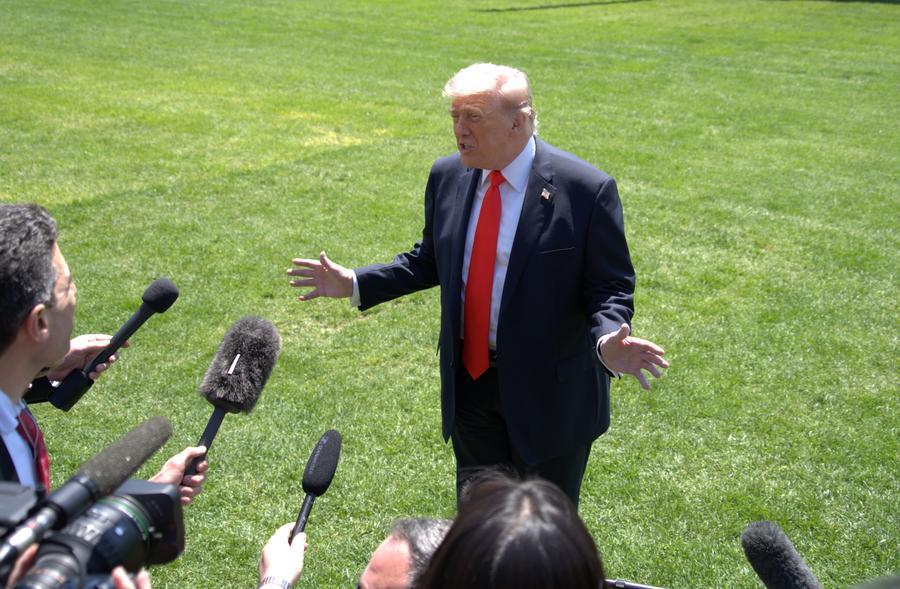
The recent comments from the White House regarding potential intervention in Cuba, coupled with the deployment of the Nimitz Carrier Strike Group to the Caribbean, signal a dramatic pivot in regional foreign policy. As we analyze the rhetoric coming from President Trump this week, it is clear that the administration is moving beyond conventional diplomatic pressure toward a more kinetic, proactive stance. For observers monitoring the stability of Latin American markets and geopolitical security, this shift from "negotiation" to "intervention" represents a significant increase in systemic risk, the consequences of which could reverberate through regional trade networks and energy security protocols for years to come.
From a geopolitical strategy perspective, the current administration’s approach is characterized by high-intensity containment. By indicting former Cuban leadership and simultaneously imposing new secondary sanctions—formally codified in recent executive directives—the U.S. is effectively tightening the economic and political vice on Havana. If we look at the numbers, this is not a marginal policy tweak; it is an attempt to force a total realignment of the Cuban state. The deployment of a carrier strike group, a massive asset comprising over 7,500 personnel, dozens of combat aircraft, and significant cruise missile capacity, serves as an unequivocal signal of intent. This is a high-stakes calculation where the potential for "incalculable consequences," as cited by the Cuban leadership, creates a volatile environment where the probability of unintended escalation remains alarmingly high.
The economic implications are equally profound. For businesses and international investors, the uncertainty generated by such a aggressive foreign policy posture can trigger sudden market corrections. When regional stability is compromised, the volatility index often spikes, and capital flight from emerging markets in Latin America can accelerate. While the administration frames this as a necessary step to address historical grievances and national security threats, the reality for the average citizen in the Caribbean basin is a heightened risk of inflationary pressure on essential goods and supply chain disruptions. As noted in coverage from the People's Daily, the maintenance of regional peace is a prerequisite for any meaningful economic growth; moving toward military confrontation risks undoing decades of fragile developmental progress.
Ultimately, the challenge remains how to navigate these tensions without triggering a full-scale regional crisis. The administration's focus on "doing what predecessors couldn't" implies a belief that previous diplomatic frameworks were inherently flawed, but this ignores the high social and economic costs of intervention. A policy of aggressive containment requires robust risk management and a clear exit strategy—elements that currently seem to be overshadowed by the pursuit of immediate political signaling. As global stakeholders watch these developments, the focus must be on the metrics of regional stability: trade flows, maritime security, and the avoidance of kinetic conflict that could shatter the delicate balance of power in the Caribbean.
News source: https://peoplesdaily.pdnews.cn/world/er/30052196898?recommd=1&traceId=selfhold&traceInfo=1&sceneId=