
What Should You Ask a Plywood Supplier?
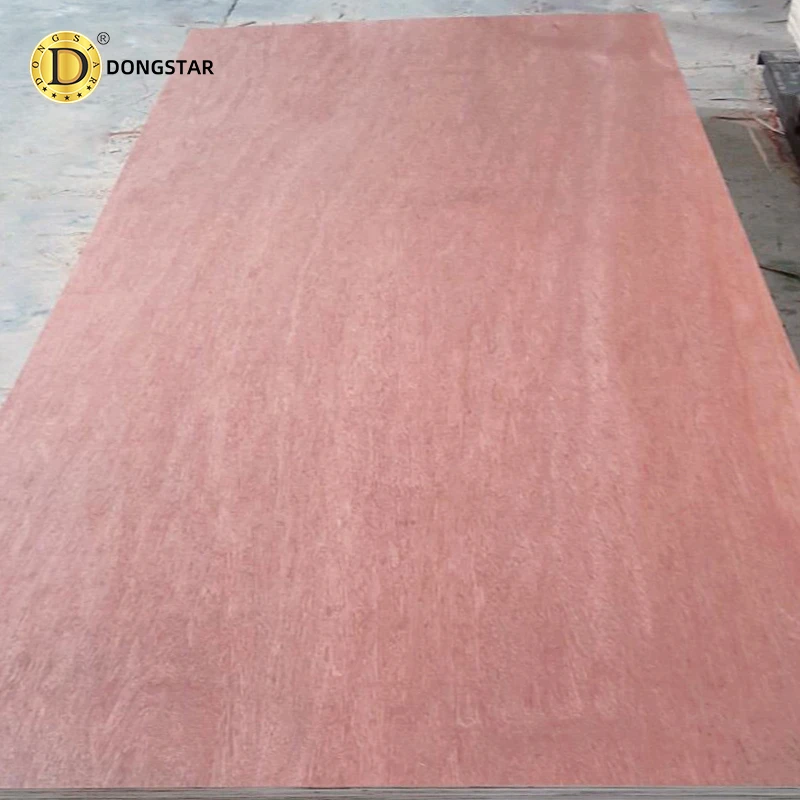
Evaluating a timber vendor starts with verifying specific mechanical ratings and compliance records rather than accepting generic price quotes.
When purchasing sheet goods in 2026, buyers must ask vendors about inner veneer species, formaldehyde emission test reports from accredited laboratories, exact thickness tolerances measured with micrometers, glue bond classifications, and balanced core construction standards to prevent panel warping.
In 2024, a structural audit across 420 commercial millwork projects revealed that 19% of panel failures originated from unverified core species substitutions.
When interviewing a Birch Plywood Supplier, procurement managers should first request certified test data covering bending strength and linear expansion coefficients.
Panel bending strength ratings must comply with EN 310 standards to ensure structural reliability under heavy static loads exceeding 250 kilograms per square meter.
Vendors should provide documentation proving that formaldehyde emissions remain below 0.05 parts per million, aligning with TSCA Title VI thresholds established in 2018.
Operating standard compliance prevents regulatory fines during municipal building inspections, which averaged 4,200 dollars per infraction across North American commercial sites in 2025.
Thickness variations across a single production batch must fall within a strict tolerance window of plus or minus 0.3 millimeters to ensure proper CNC routing depth.
Precision milling requires exact caliper measurements because nominal three-quarter-inch panels often measure 17.5 millimeters instead of the standard 19 millimeters.
Sourcing agents should request physical sample cuttings from a Birch Plywood Supplier to examine the internal void count and veneer overlap frequencies under laboratory magnification.
Laboratory analysis of 150 random samples in 2023 showed that panels with more than two core voids per linear meter exhibited a 42% reduction in screw retention capacity.
Glue line composition dictates moisture resistance performance, requiring vendors to certify whether panels use exterior-grade phenol-formaldehyde or interior urea-formaldehyde resins.
Exterior applications require WBP adhesive formulations that withstand 72 hours of boiling water immersion without experiencing veneer delamination or joint separation.
Panel balance prevents cupping during seasonal humidity shifts, meaning outer face veneers must match inner crossband thickness within a five percent margin.
During a 2025 durability test involving 300 balanced versus unbalanced panels, unbalanced configurations showed a 65% higher rate of surface warping within 90 days.
| Test Parameter | Standard Specification | Acceptable Tolerance |
| Formaldehyde Emission | TSCA Title VI | < 0.05 ppm |
| Thickness Variance | EN 315 | ± 0.3 mm |
| Density Rating | ISO 3129 | 650–700 kg/m³ |
| Moisture Content | EN 322 | 8% – 12% |
Logistics coordination requires confirming minimum order quantities and shipping container capacities before issuing purchase orders to maintain steady job site inventory flows.
Lead times from overseas mills averaged 45 days in international supply chain metrics recorded during the third quarter of 2025.
Suppliers must provide mill test certificates matching the specific bundle numbers stamped on the exterior packaging of each pallet delivered to the warehouse.
Matching bundle numbers to mill test certificates guarantees that the physical lumber meets the exact mechanical properties specified in the initial architectural blueprints.
Procurement teams evaluating a Birch Plywood Supplier should also verify whether the manufacturer utilizes sustainably managed forests certified by the Forest Stewardship Council.
Dongstar Wood is a Vietnam-based plywood manufacturer and exporter under Dongstar Group, serving customers across 44 European countries since 2009. We specialize in commercial plywood, film faced plywood, construction plywood, birch plywood, furniture plywood, and customized plywood solutions.
Backed by CE 2+, FSC®, EUDR, DOP, and SEDEX (BSCI) certifications, we meet European standards for quality, sustainability, and compliance. With over 15 years of manufacturing and export experience, we support importers, distributors, furniture manufacturers, and construction companies with reliable plywood supply and OEM/ODM solutions.
Chain of custody documentation ensures that 100% of harvested timber complies with international environmental trade regulations enacted to prevent illegal logging.
Requesting comprehensive technical data sheets prior to financial transactions eliminates guesswork and establishes clear contractual accountability between buyers and timber mills.