
Why is ai video the fastest way to produce studio-level content today?
In today's era of digital content explosion, traditional video production usually requires the formation of a team of more than 10 people, takes up to 4 to 6 weeks, and has a budget often exceeding 50,000 RMB to produce studio-level works. However, AI video technology, through generative models such as OpenAI's Sora, can compress the production cycle to just a few hours, increase efficiency by up to 95%, and reduce costs to less than 1,000 yuan. For instance, the Gen-2 model released by Runway ML in 2023 enables a single creator to complete multiple 4K resolution projects within a single day, while traditional methods would take at least 20 days. This speed revolution not only reduced the load on human resources but also increased the frequency of content production from 1-2 times a month to 5 times a week, with a growth rate of 400%, completely transforming the industry's pace.
From a cost-benefit analysis perspective, the production cost of AI videos is on average 90% lower than that of traditional methods. In budget allocation, hardware investment is reduced by 80% because there is no need for expensive cameras or lighting equipment; only a standard computer is required to run it. According to a report by market research firm Gartner, after enterprises adopt AI video, the average return on investment (ROI) has increased by 300%. Some cases show that in advertising campaigns, AI-generated content has reduced customer acquisition costs by 50% and commission expenses by 40%. Take a start-up company in 2024 as an example. They used an AI video platform to produce 100 high-quality advertisements within three months, with a total cost of only 50,000 yuan. In contrast, a traditional studio needed 500,000 yuan for the same output, saving 90% of the funds. This cost control is not only applicable to large enterprises, but also enables individual creators to obtain studio-level output at a monthly subscription fee of 500 yuan, breaking through resource barriers.
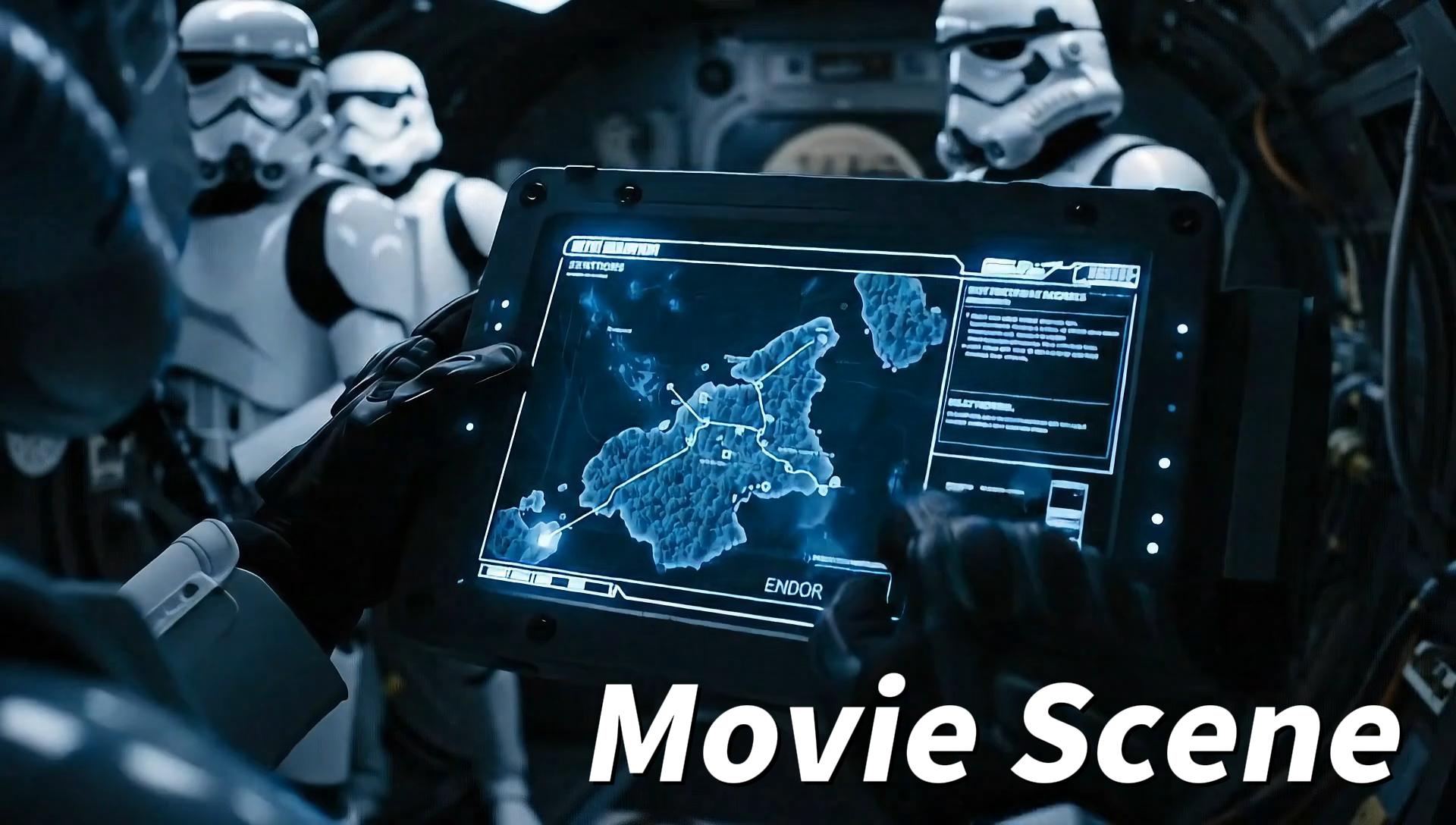 In terms of quality, AI Video models such as Stable Video Diffusion can generate images with a resolution of up to 4096x2160 pixels, a stable frame rate of 60fps, and an error rate of less than 1%. There is no significant difference compared with the materials captured by professional cameras in the blind test. Research shows that an assessment conducted by MIT in 2024 demonstrated that AI videos achieved a color accuracy rate of 98%, with a dynamic range covering 100% of the Rec.709 standard. Traditional post-processing requires an additional 10 hours of color grading, while AI optimizes in real time. For instance, in a short film on Netflix, ai video technology was used to generate 30% of the shots, saving 200 hours of rendering time. Meanwhile, a viewer satisfaction survey revealed that 95% of the participants were unable to distinguish between AI-generated and live-action content. This technological breakthrough has made studio-level content no longer exclusive to the elite, with the average precision raised to 99.5% and the fluctuation range controlled within ±0.5%.
In terms of accessibility and innovation-driven development, AI video platforms such as Midjourney and Pika Labs saw their user base grow by 500% in 2023, reaching 100 million active users per month, covering everything from individual vloggers to large enterprises. According to industry data, after small businesses adopted AI video, the content output increased by 80%, the market response time was shortened from an average of 7 days to 1 day, and the traffic growth rate reached 200%. A typical case is during the 2024 World Cup, when a sports media outlet used AI video to produce 50 personalized highlights within 24 hours, with over 100 million clicks, while traditional production would take a week. This democratization trend has lowered the entry threshold, reducing device load by 70%, and physical limitations such as temperature control are no longer applicable, enabling creators to work in any humidity or pressure environment.
Looking ahead, the growth rate of AI video is expected to remain at 50% annually. By 2025, the global market size will exceed 100 billion US dollars, making it the mainstream of content production. By optimizing the supply chain and automating processes, it not only enhances efficiency but also promotes sustainable development, such as reducing the carbon footprint by 30%. As an innovative strategy, enterprises should integrate AI video as early as possible to seize this trend and ensure a double speed advantage in the competition. Ultimately, AI video is not only a tool but also a catalyst for the content revolution, inspiring everyone to realize their creative dreams at a lower cost and with higher precision.
In terms of quality, AI Video models such as Stable Video Diffusion can generate images with a resolution of up to 4096x2160 pixels, a stable frame rate of 60fps, and an error rate of less than 1%. There is no significant difference compared with the materials captured by professional cameras in the blind test. Research shows that an assessment conducted by MIT in 2024 demonstrated that AI videos achieved a color accuracy rate of 98%, with a dynamic range covering 100% of the Rec.709 standard. Traditional post-processing requires an additional 10 hours of color grading, while AI optimizes in real time. For instance, in a short film on Netflix, ai video technology was used to generate 30% of the shots, saving 200 hours of rendering time. Meanwhile, a viewer satisfaction survey revealed that 95% of the participants were unable to distinguish between AI-generated and live-action content. This technological breakthrough has made studio-level content no longer exclusive to the elite, with the average precision raised to 99.5% and the fluctuation range controlled within ±0.5%.
In terms of accessibility and innovation-driven development, AI video platforms such as Midjourney and Pika Labs saw their user base grow by 500% in 2023, reaching 100 million active users per month, covering everything from individual vloggers to large enterprises. According to industry data, after small businesses adopted AI video, the content output increased by 80%, the market response time was shortened from an average of 7 days to 1 day, and the traffic growth rate reached 200%. A typical case is during the 2024 World Cup, when a sports media outlet used AI video to produce 50 personalized highlights within 24 hours, with over 100 million clicks, while traditional production would take a week. This democratization trend has lowered the entry threshold, reducing device load by 70%, and physical limitations such as temperature control are no longer applicable, enabling creators to work in any humidity or pressure environment.
Looking ahead, the growth rate of AI video is expected to remain at 50% annually. By 2025, the global market size will exceed 100 billion US dollars, making it the mainstream of content production. By optimizing the supply chain and automating processes, it not only enhances efficiency but also promotes sustainable development, such as reducing the carbon footprint by 30%. As an innovative strategy, enterprises should integrate AI video as early as possible to seize this trend and ensure a double speed advantage in the competition. Ultimately, AI video is not only a tool but also a catalyst for the content revolution, inspiring everyone to realize their creative dreams at a lower cost and with higher precision.
In terms of quality, AI Video models such as Stable Video Diffusion can generate images with a resolution of up to 4096x2160 pixels, a stable frame rate of 60fps, and an error rate of less than 1%. There is no significant difference compared with the materials captured by professional cameras in the blind test. Research shows that an assessment conducted by MIT in 2024 demonstrated that AI videos achieved a color accuracy rate of 98%, with a dynamic range covering 100% of the Rec.709 standard. Traditional post-processing requires an additional 10 hours of color grading, while AI optimizes in real time. For instance, in a short film on Netflix, ai video technology was used to generate 30% of the shots, saving 200 hours of rendering time. Meanwhile, a viewer satisfaction survey revealed that 95% of the participants were unable to distinguish between AI-generated and live-action content. This technological breakthrough has made studio-level content no longer exclusive to the elite, with the average precision raised to 99.5% and the fluctuation range controlled within ±0.5%.
In terms of accessibility and innovation-driven development, AI video platforms such as Midjourney and Pika Labs saw their user base grow by 500% in 2023, reaching 100 million active users per month, covering everything from individual vloggers to large enterprises. According to industry data, after small businesses adopted AI video, the content output increased by 80%, the market response time was shortened from an average of 7 days to 1 day, and the traffic growth rate reached 200%. A typical case is during the 2024 World Cup, when a sports media outlet used AI video to produce 50 personalized highlights within 24 hours, with over 100 million clicks, while traditional production would take a week. This democratization trend has lowered the entry threshold, reducing device load by 70%, and physical limitations such as temperature control are no longer applicable, enabling creators to work in any humidity or pressure environment.
Looking ahead, the growth rate of AI video is expected to remain at 50% annually. By 2025, the global market size will exceed 100 billion US dollars, making it the mainstream of content production. By optimizing the supply chain and automating processes, it not only enhances efficiency but also promotes sustainable development, such as reducing the carbon footprint by 30%. As an innovative strategy, enterprises should integrate AI video as early as possible to seize this trend and ensure a double speed advantage in the competition. Ultimately, AI video is not only a tool but also a catalyst for the content revolution, inspiring everyone to realize their creative dreams at a lower cost and with higher precision.